
Monitoring
IMDC offers advanced monitoring services as reliable, high-quality data is essential for making smart decisions about water management, infrastructure design, and environmental protection. By delivering accurate measurements in our natural waters, IMDC helps clients reduce project risks, comply with regulations, and better understand complex natural processes. IMDC offers added value through strong expertise, selecting the most optimal technologies and techniques, its ability to design custom monitoring setups when needed, and its strong quality assurance procedures. Supported by experienced specialists and the Synapps/Meetnet data platform, IMDC enables clients and society to benefit from safer, more efficient and more sustainable water solutions.
IMDC provides comprehensive monitoring services tailored to a wide range of water-related challenges. Each campaign is built on a dedicated monitoring plan, identifying key parameters and ensuring the use of the most appropriate instruments & protocols and accordance with international standards. Our specialists deploy innovative equipment—commercial or custom-developed—to capture accurate, high-resolution data in any environment. Collected data can be validated, analyzed, visualized, reported and accessed through IMDC’s in-house developed Synapps/Meetnet platform. With a strong focus towards quality, health & safety and environment IMDC delivers reliable insights that support informed decision-making for clients in water engineering, environmental management, and policy development.
This expertise allows the Monitoring team to offer a complete range of services:
- Meteorological and Oceanographical (MetOcean) surveys
- Sediment measurements
- Integrated water monitoring
- IoT for water management
- Monitoring consultancy services
For detailed descriptions of our services—along with key references and featured projects—please refer to our Monitoring product sheet.
1. Meteorological and Oceanographical (MetOcean) surveys.
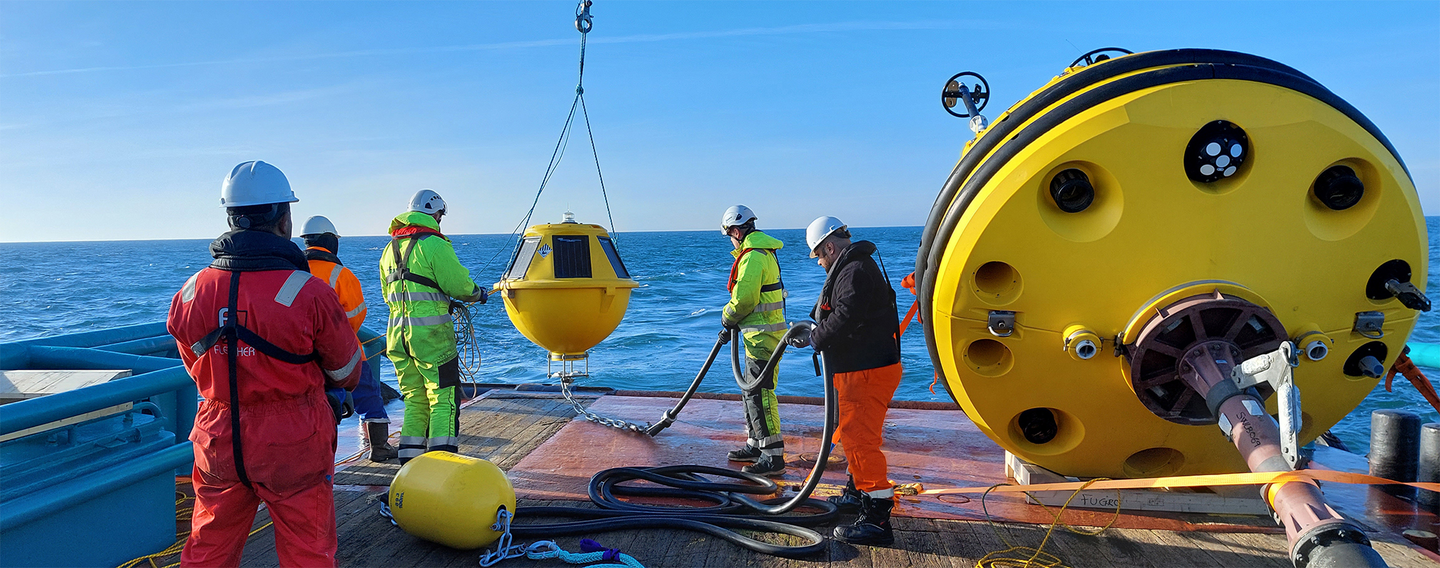
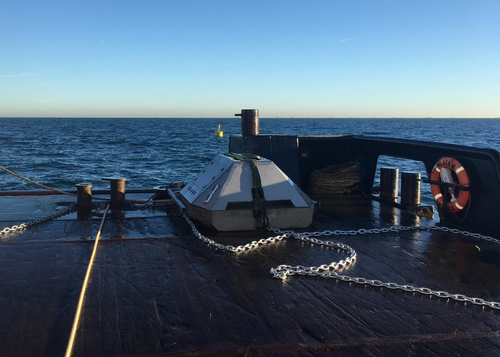
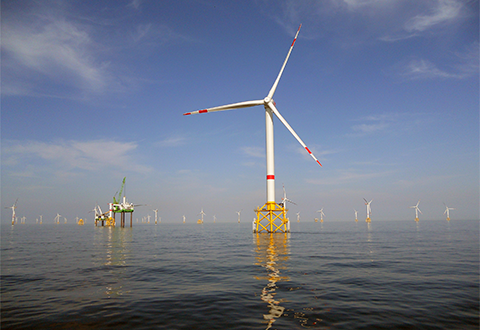
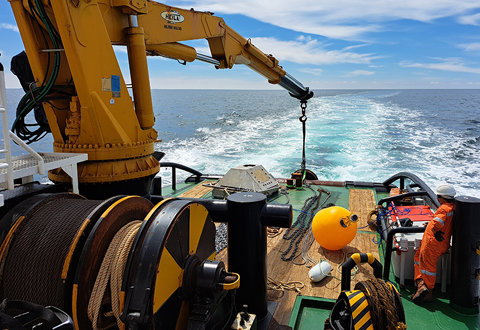
Any marine/estuarine infrastructure or renewable energy project requires long or short-term MetOcean monitoring. IMDC can provide long-term measurements of waves, currents and wind by means of stationary buoys or seabed frames, adding extra sensors to record any additional parameter (i.e. turbidity, water quality, etc.). To monitor phenomena on a shorter timescale (i.e. complete tide cycle) mobile measurement campaigns are being set up. These works complement our broad range of MetOcean services: desk studies, numerical modelling, hind- and forecasting systems, data management and data analysis.
Example projects: Princess Elisabeth Energy Island (Belgium), OMES (Belgium). and FSRU Wilhelmshaven (Germany).
2. Sediment measurements.
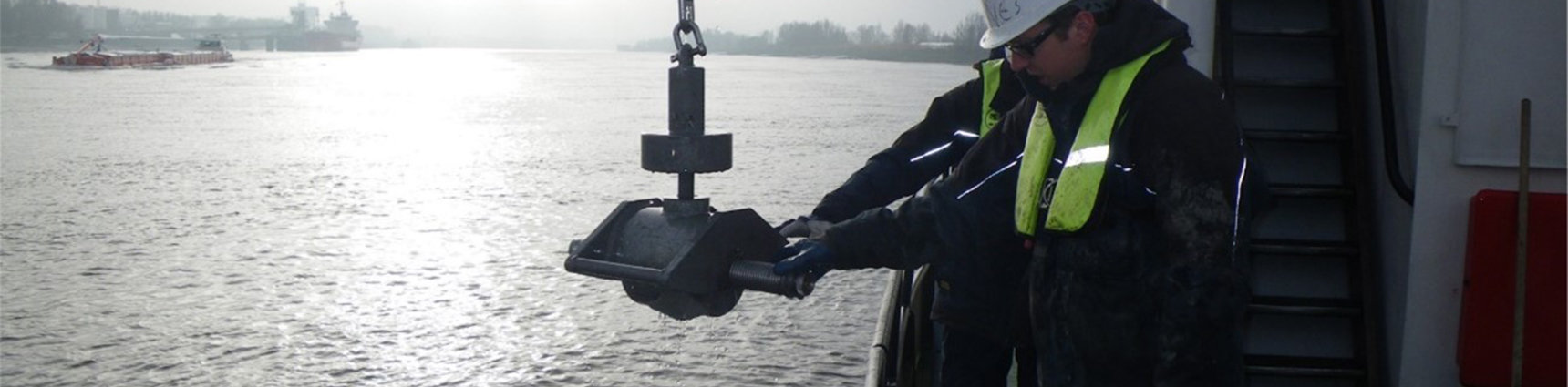
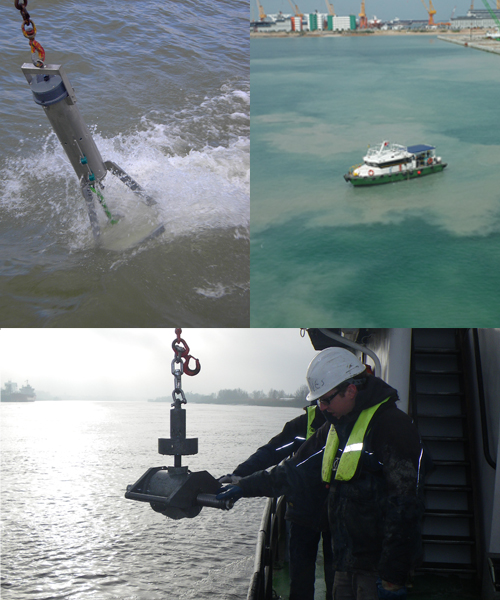
IMDC offers a wide range of instruments and samplers to assess the impact of water related works on hydrodynamic and morphological systems. Measurements focus on spatial and temporal effects such as sediment transport, water temperature, and salinity. Campaigns may include studies on:
- Scour around wind turbine foundations;
- Sediment influx and thermal dispersion at inlets or outfalls;
- Density currents caused by lock operations or tidal dock construction;
- Consolidation of bed sediments during works.
IMDC also specializes in monitoring dredging impacts through sediment plumes using dedicated protocols and advanced equipment. This ensures effective mitigation measures and supports environmental follow-up during ongoing activities.
Example projects: Oosterweel Scheldt Tunnel (Belgium), OMES (Belgium), Density Currents Panama Canal (Panama), Wheatstone LNG Terminal (Australia) and Fairway Management 2016-2026 (Belgium/Netherlands).
3. Integrated water monitoring.
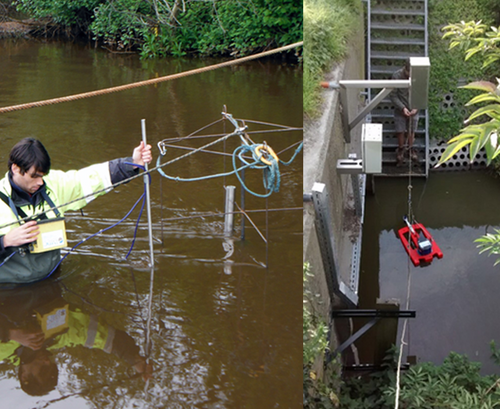
Sustainable river basin management demands an integrated approach built on hydrologic and hydrodynamic expertise. IMDC delivers services such as river modeling, real-time flood forecasting, flood area mapping, and risk management, supported by field measurements of water levels, discharge, precipitation, and sediment transport. At the same time, environmental monitoring ensures water quality for wetlands, ecosystems, and human health. IMDC campaigns track key parameters including turbidity, ammonia, nitrate, E. coli and dissolved oxygen, providing insights into water quality evolution. Together, these efforts enable effective management strategies and support long-term environmental protection.
Example projects: Discharge and salinity measurements (Netherlands) and Discharge measurements in Flanders (Belgium).
4. IoT for water management.
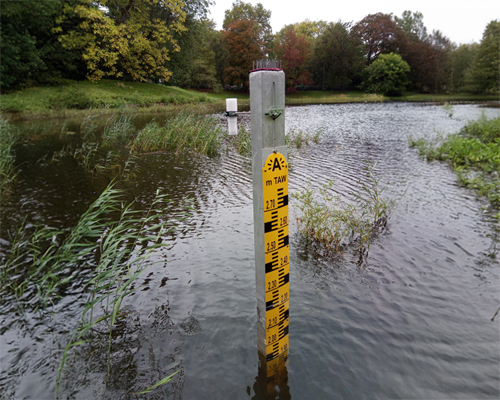
Advances in digital technology and IoT create new opportunities for efficient water management. IMDC’s Hydrotools enable real-time monitoring through smart sensor networks, tailored to client needs. These systems measure (ground) water levels, precipitation, water quality, sediment concentration and salinity, supported by low-maintenance networks and flexible transmission options such as 4G, SigFox, LoRa and NB-IoT. Data is processed and visualized via IMDC’s in-house platform Synapps/Meetnet, ensuring seamless integration of sensors and external sources. Combined with IMDC’s expertise, these tools support flood forecasting, groundwater management, and environmental monitoring for sustainable water resource management.
More information about the IMDC’s Hydrotools can be found here.
Example projects: Automation of groundwater level measurements (Belgium).
5. Monitoring consultancy services.
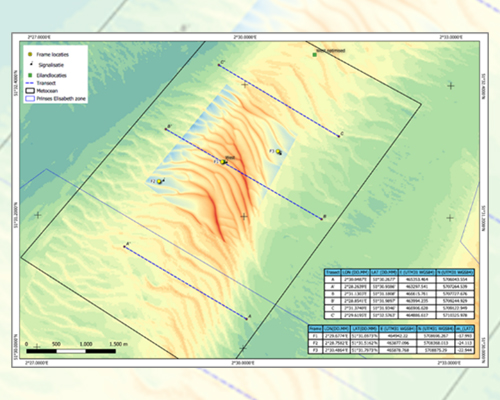
IMDC provides expert consultancy for marine and environmental monitoring across diverse sectors, including ports, offshore wind, floating renewables, aquaculture, and navigation. Our services cover the identification of critical parameters, drafting terms of reference, and designing tailored monitoring plans and measurement solutions to meet project objectives. Leveraging advanced technologies and decades of experience, IMDC integrates MetOcean surveys, sediment and water quality monitoring, and real-time data platforms for comprehensive insights. This approach ensures accurate data collection, supports impact assessments, and enables sustainable management strategies throughout all project phases.
More information on the monitoring for renewable energy can be found here.
Example projects: Princess Elisabeth Energy Island (Belgium).
related references
-
-
Blue EnergyBlue Energy
-
Hydro-Environmental ServicesHydro-Environmental Services
-
MonitoringMonitoring
-
-
-
Water ComputingWater Computing
-
Blue EnergyBlue Energy
-
InnovationInnovation
-
Water Resources ManagementWater Resources Management
-
Coasts & EstuariesCoasts & Estuaries
-
Marine, Dredging & Port EngineeringMarine, Dredging & Port Engineering
-
MonitoringMonitoring
-
-
-
Water ComputingWater Computing
-
Blue EnergyBlue Energy
-
MonitoringMonitoring
-
-
-
Coasts & EstuariesCoasts & Estuaries
-
Marine, Dredging & Port EngineeringMarine, Dredging & Port Engineering
-
MonitoringMonitoring
-
-
-
Water ComputingWater Computing
-
Marine, Dredging & Port EngineeringMarine, Dredging & Port Engineering
-
MonitoringMonitoring
-
-
-
InnovationInnovation
-
Digital Water SolutionsDigital Water Solutions
-
MonitoringMonitoring
-
-
-
Coasts & EstuariesCoasts & Estuaries
-
Marine, Dredging & Port EngineeringMarine, Dredging & Port Engineering
-
MonitoringMonitoring
-
-
-
InnovationInnovation
-
Hydro-Environmental ServicesHydro-Environmental Services
-
MonitoringMonitoring
-
-
-
InnovationInnovation
-
Hydro-Environmental ServicesHydro-Environmental Services
-
Coasts & EstuariesCoasts & Estuaries
-
MonitoringMonitoring
-